

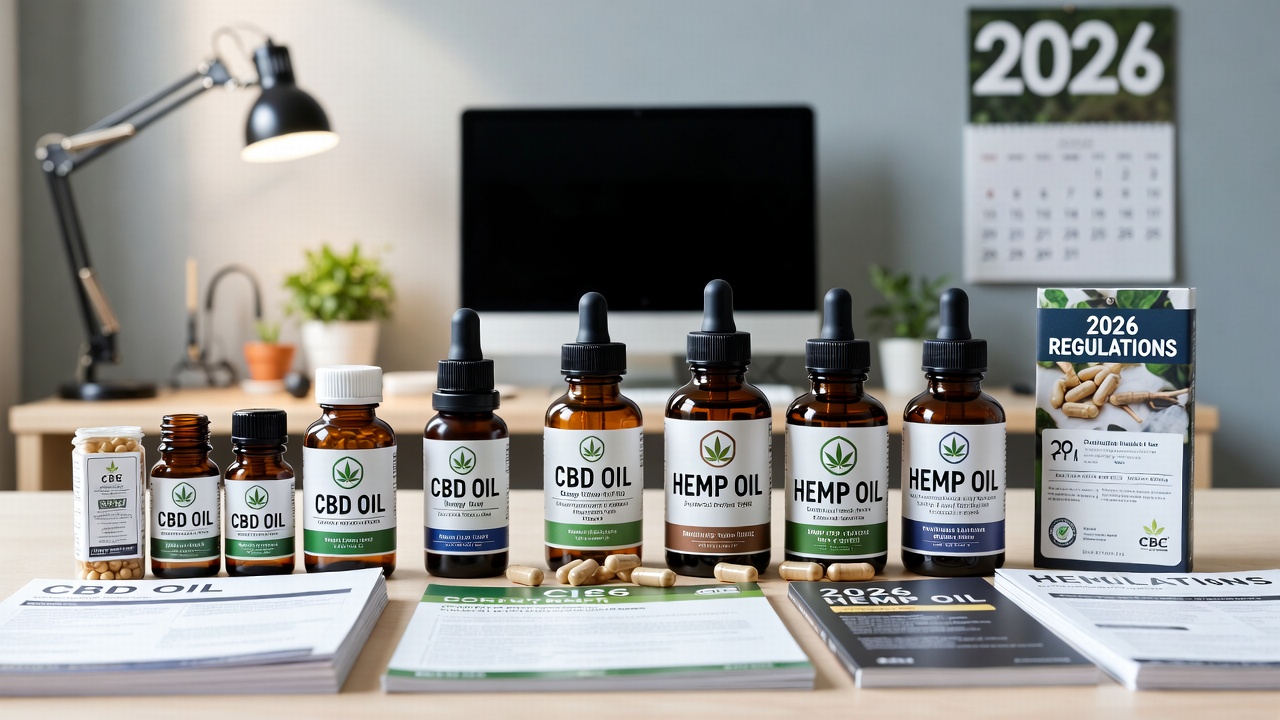

The world of CBD and hemp oil continues its rapid evolution, and as we enter 2026, navigating the legal and safety landscape is more crucial than ever for consumers and industry professionals alike. While the therapeutic potential of these cannabinoids gains wider recognition, understanding the regulatory framework, ensuring product purity, and determining safe dosages are paramount for responsible use. This guide will delve into the current state of affairs, offering clarity on what to expect and how to make informed decisions in the dynamic 2026 market.
Understanding the Endocannabinoid System (ECS)
Before we explore the regulatory nuances, a brief understanding of the Endocannabinoid System (ECS) is essential. The ECS is a complex cell-signaling system within the human body that plays a vital role in regulating a wide range of physiological processes, including mood, sleep, appetite, pain perception, and immune function. It consists of three core components: endocannabinoids (cannabinoids produced naturally by the body), cannabinoid receptors (primarily CB1 and CB2), and enzymes that break down endocannabinoids. Phyto cannabinoids, such as CBD and THC found in cannabis and hemp plants, can interact with this system, offering potential therapeutic benefits by influencing the ECS’s delicate balance. The growing scientific interest in the ECS underscores the potential of cannabinoids to support overall well-being.
The Evolving Legal Landscape: A 2026 Overview
The legal status of CBD and hemp-derived products remains a complex and often patchwork affair in 2026. While the 2018 Farm Bill in the United States federally legalized hemp and its derivatives (containing less than 0.3% THC) for agricultural and commercial purposes, state-level regulations can vary significantly. Many states have implemented their own specific laws regarding the sale, marketing, and possession of CBD products, leading to a confusing environment for consumers and businesses. Some states permit broad access, while others have stricter controls, particularly concerning products making health claims or those derived from marijuana. Internationally, the regulatory picture is even more diverse, with some countries embracing hemp-derived CBD while others maintain strict prohibitionist stances.
The Food and Drug Administration (FDA) continues to grapple with how to regulate CBD products. As of 2026, the FDA has not yet established a comprehensive regulatory pathway for CBD in dietary supplements or food. This lack of clear federal guidance has led to ongoing challenges in ensuring product quality and preventing misleading marketing claims. While the FDA has taken action against companies making unsubstantiated health claims, a definitive framework for CBD’s inclusion in widely accessible consumer products is still anticipated. Consumers must remain vigilant, as the legal status of certain products can change, and state laws often take precedence.
The Crucial Role of Product Transparency: Full-Spectrum, Broad-Spectrum, and Isolate
In the absence of uniform federal regulation, transparency from manufacturers is paramount. Understanding the different types of CBD extracts available is the first step toward making informed purchasing decisions. These categories generally fall into three main types:
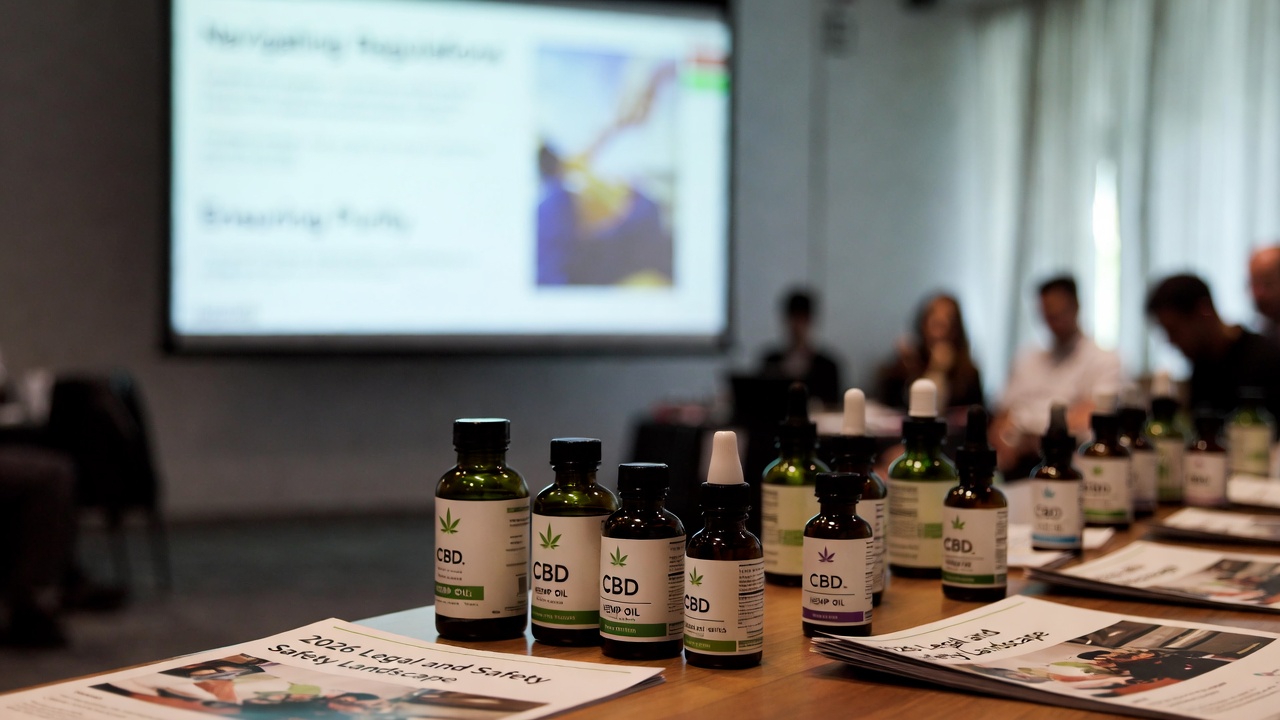
- Full-Spectrum CBD: This extract contains all the naturally occurring compounds found in the hemp plant, including CBD, other cannabinoids (like CBG, CBN), terpenes, flavonoids, and a trace amount of THC (less than 0.3%). The presence of multiple compounds is believed to create an “entourage effect,” where they work synergistically to enhance therapeutic benefits.
- Broad-Spectrum CBD: Similar to full-spectrum, broad-spectrum CBD contains multiple cannabinoids, terpenes, and flavonoids. However, the THC has been selectively removed, making it a suitable option for individuals who wish to avoid THC entirely while still potentially benefiting from the entourage effect.
- CBD Isolate: This is the purest form of CBD, with all other plant compounds, including THC, terpenes, and flavonoids, having been removed. CBD isolate is typically 99% pure CBD and is often preferred by those who want to use CBD without any other cannabinoids or who are sensitive to THC.
Deciphering Lab Reports: The Importance of COAs
One of the most critical tools for ensuring product safety and efficacy is the Certificate of Analysis (COA). A COA is a third-party laboratory report that details the cannabinoid profile, purity, and potential contaminants of a CBD or hemp oil product. In 2026, reputable brands will readily provide access to their COAs, often through a QR code on the product packaging or on their website.
When reviewing a COA, pay close attention to the following:
- Cannabinoid Potency: Verify that the CBD content matches the product’s label and that the THC content is below the legal limit (0.3% for hemp-derived products).
- Third-Party Testing: Ensure the COA is from an independent, accredited laboratory, not the manufacturer itself.
- Contaminant Testing: Check for the absence of harmful substances such as pesticides, heavy metals, residual solvents, and microbial contaminants (mold, bacteria).
- Batch Number: Confirm that the batch number on the COA corresponds to the batch number of the product you are considering purchasing.
A product without a readily available and comprehensive COA should be approached with extreme caution. The lack of transparency in lab testing is a significant red flag in the 2026 market.
Choosing the Right Product: CBD Oil vs. Hemp Seed Oil
A common point of confusion is the distinction between CBD oil and hemp seed oil. While both are derived from the hemp plant, they differ significantly in their chemical composition and purported benefits. Understanding these differences is crucial for selecting the product that best suits your needs.
CBD Oil is extracted from the flowers, leaves, and stalks of the hemp plant. It is rich in cannabinoids, including CBD, and is the type of product typically used for its potential therapeutic effects related to the ECS. The concentration of CBD can vary widely.
Hemp Seed Oil, on the other hand, is pressed from the seeds of the hemp plant. Hemp seeds are highly nutritious and contain beneficial fatty acids like omega-3 and omega-6, vitamins, and minerals. However, hemp seeds naturally contain very little, if any, CBD or other cannabinoids. Therefore, hemp seed oil does not offer the same potential therapeutic benefits associated with CBD. It’s often used as a food supplement or in cosmetic products for its nutritional properties.
Comparison Table: CBD Oil vs. Hemp Seed Oil
| Feature | CBD Oil | Hemp Seed Oil |
|---|---|---|
| Source | Flowers, leaves, and stalks of the hemp plant | Seeds of the hemp plant |
| Primary Compounds | CBD, other cannabinoids (THC, CBG, CBN), terpenes, flavonoids | Fatty acids (Omega-3, Omega-6), vitamins, minerals |
| THC Content | Less than 0.3% (for hemp-derived) | Negligible to none |
| Potential Benefits | ECS support, relaxation, pain relief, sleep support (research ongoing) | Nutritional supplement, skin health, culinary use |
| Extraction Method | CO2 extraction, ethanol extraction, solvent-based extraction | Cold-pressing |
| Typical Use | Tinctures, capsules, topicals, edibles | Salads, smoothies, skincare products |
Safe Dosage Guidelines and Considerations for 2026
Determining the right CBD dosage is highly individual and depends on various factors, including body weight, metabolism, the specific condition being addressed, and the concentration of CBD in the product. In 2026, there are still no universally established FDA-recommended dosages for CBD.
However, a common recommendation for beginners is to start low and go slow. This typically means beginning with a low dose, such as 5-10 mg of CBD, once or twice a day. After a week or two, gradually increase the dose until the desired effects are achieved or until you reach a point where no further benefits are observed. It’s crucial to monitor your body’s response and adjust accordingly.
Factors influencing dosage include:
- Body Weight: Larger individuals may require higher doses.
- Metabolism: Faster metabolisms may process CBD more quickly, potentially requiring more frequent dosing.
- Product Potency: A highly concentrated tincture will require a smaller serving size than a less potent one.
- Method of Administration: Edibles and capsules have a delayed onset and longer duration compared to tinctures taken sublingually.
- Individual Chemistry: Each person’s unique ECS responds differently.
It is always advisable to consult with a healthcare professional, especially if you have pre-existing health conditions or are taking other medications, before incorporating CBD into your wellness routine. They can provide personalized guidance based on your individual health profile.
A 2026 Market Trend: Personalized Wellness and Bio-Individuality
Looking ahead in 2026, a significant market trend is the increasing focus on personalized wellness. Consumers are moving beyond one-size-fits-all solutions and seeking products and approaches tailored to their unique biological makeup and specific needs. This translates to a growing demand for CBD and hemp oil products that offer precise formulations and transparent labeling.
We can anticipate a rise in companies offering:
- Condition-Specific Blends: Products formulated with specific cannabinoid ratios or combined with other beneficial botanicals to target particular concerns, such as sleep, focus, or stress relief.
- DNA-Based Recommendations: While still in its nascent stages, the concept of using genetic information to guide cannabinoid choices may gain traction, suggesting that individual genetic profiles could influence how one responds to different cannabinoids and dosages.
- Enhanced Product Tracking: Blockchain technology could be more widely adopted to provide consumers with an even more transparent and traceable journey of their CBD products, from seed to shelf.
This shift towards bio-individuality emphasizes the importance of consumers understanding their own bodies and working with brands that empower them with accurate information and high-quality, trustworthy products.
Frequently Asked Questions (FAQs)
Q1: Is CBD legal in all US states in 2026?
While hemp-derived CBD is federally legal, state laws vary. It’s essential to check your specific state’s regulations regarding CBD possession and sales.
Q2: How do I know if a CBD product is pure and safe?
Always look for a Certificate of Analysis (COA) from a reputable third-party lab. This report should detail the cannabinoid content and confirm the absence of contaminants.
Q3: Can I fail a drug test if I use CBD oil?
Full-spectrum CBD oil contains trace amounts of THC. While unlikely, it is possible to fail a drug test if the THC content is above the detection threshold of the test. Broad-spectrum or CBD isolate products are less likely to cause a positive result.
Q4: What is the difference between CBD oil and hemp oil for consumption?
CBD oil is extracted from the hemp plant’s flowers and leaves and contains CBD for potential therapeutic benefits. Hemp seed oil is from the seeds and is primarily used for its nutritional value, containing minimal to no CBD.
Q5: What are the recommended starting dosages for CBD?
A common starting point is 5-10 mg of CBD once or twice daily. It’s advisable to “start low and go slow,” gradually increasing the dose as needed and consulting with a healthcare professional.