

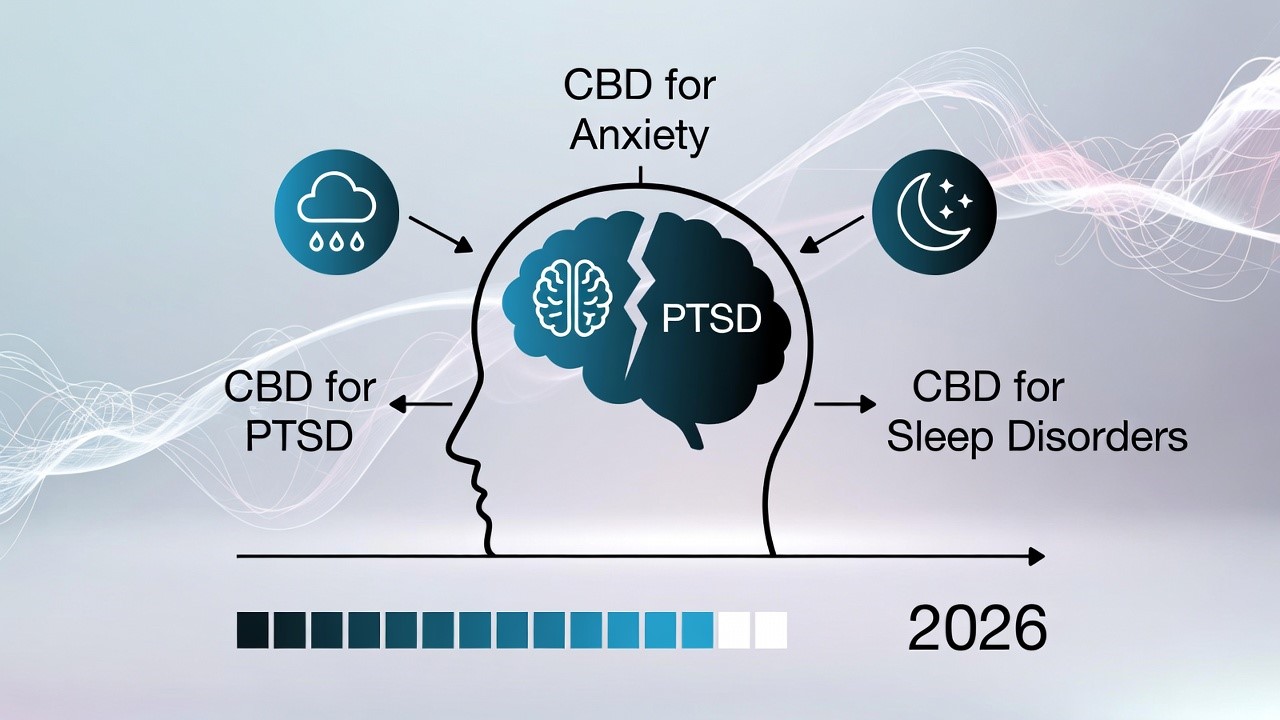

In 2026, the conversation surrounding mental wellness has never been more critical. As we navigate an increasingly complex world, many are seeking natural, holistic approaches to support their mental health. Among the most promising natural compounds gaining widespread recognition is Cannabidiol (CBD), a non-intoxicating cannabinoid found in the cannabis plant. Often discussed alongside hemp oil, CBD’s potential to address conditions like anxiety, Post-Traumatic Stress Disorder (PTSD), and sleep disorders is a focal point of ongoing research and public interest. This article delves into the science-backed benefits of CBD and hemp oil for mental well-being, exploring how these compounds interact with our body’s systems and what to consider when incorporating them into your wellness routine.
Understanding the Endocannabinoid System (ECS)
At the heart of CBD’s potential lies the **Endocannabinoid System (ECS)**, a complex cell-signaling system present in humans and other mammals. Discovered in the 1990s, the ECS plays a crucial role in regulating a vast array of physiological processes, including mood, sleep, appetite, memory, and pain perception. It’s composed of three key components: endocannabinoids (cannabinoids produced naturally by the body), cannabinoid receptors (CB1 and CB2, found throughout the body), and enzymes that break down endocannabinoids. CBD and other phytocannabinoids (cannabinoids derived from plants) can interact with this system, though not always by directly binding to CB1 and CB2 receptors like THC. Instead, CBD often influences the ECS indirectly, modulating receptor activity and promoting balance, a state known as homeostasis. Understanding the ECS provides a foundational framework for appreciating how CBD and hemp oil can influence mental health conditions.
CBD’s Potential for Anxiety Relief
Anxiety disorders are among the most common mental health challenges globally, manifesting in various forms such as generalized anxiety disorder (GAD), social anxiety, and panic disorder. Emerging research suggests that CBD may offer a significant therapeutic benefit for anxiety. Studies indicate that CBD interacts with serotonin receptors in the brain, particularly the 5-HT1A receptor, which plays a vital role in regulating mood and anxiety. By influencing serotonin levels, CBD may help to reduce feelings of fear, stress, and unease. Furthermore, preclinical studies have shown that CBD can affect brain regions involved in fear and anxiety responses, such as the amygdala and the hippocampus. While more extensive human clinical trials are needed, the current evidence is promising, positioning CBD as a potential aid for individuals seeking natural anxiety management strategies. The year 2026 is expected to see further advancements in clinical understanding of CBD’s anxiolytic effects.
Addressing PTSD with CBD
Post-Traumatic Stress Disorder (PTSD) is a complex condition that can develop after experiencing or witnessing a traumatic event. It is characterized by intrusive memories, avoidance of trauma-related stimuli, negative changes in cognition and mood, and hyperarousal. Traditional treatments often involve psychotherapy and medication, but for some individuals, these approaches may not provide complete relief. Research into CBD’s role in PTSD treatment is a growing area of interest. Preliminary studies and anecdotal evidence suggest that CBD may help to reduce the intensity of traumatic memories and associated anxiety. It is thought that CBD may facilitate fear extinction, a process where the brain learns to reduce fear responses to trauma-related cues. By potentially influencing the amygdala, CBD might help to dampen the intense emotional and physiological reactions associated with PTSD triggers. While not a cure, CBD is being explored as a complementary therapy to help manage symptoms and improve the quality of life for those living with PTSD.
The Role of CBD in Improving Sleep Quality
Sleep disturbances, including insomnia and poor sleep quality, are frequently intertwined with anxiety and other mental health conditions. The intricate relationship between the ECS and sleep regulation suggests a potential role for CBD in promoting restful sleep. CBD’s ability to alleviate anxiety and stress can indirectly lead to improved sleep, as racing thoughts and a heightened sense of unease are common culprits behind sleepless nights. Moreover, research is exploring CBD’s direct impact on sleep cycles. Some studies suggest that CBD may help regulate the sleep-wake cycle, potentially by influencing REM sleep patterns and reducing the likelihood of waking during the night. The anxiolytic effects of CBD can create a more relaxed state conducive to falling asleep and staying asleep. As the scientific community continues to unravel the nuances of CBD’s interaction with sleep, its adoption as a natural sleep aid is likely to grow in 2026.
Hemp Oil vs. CBD Oil: Clarifying the Differences
It’s crucial to understand the distinction between CBD oil and hemp oil, as these terms are often used interchangeably, leading to confusion. Both are derived from the cannabis plant, but their composition and primary components differ significantly.
CBD Oil
CBD oil is primarily extracted from the flowers, leaves, and stalks of the hemp plant. Its defining characteristic is its high concentration of **Cannabidiol (CBD)**. CBD is one of over 100 cannabinoids found in hemp. CBD oil products are typically formulated to contain a specific amount of CBD per serving and may also contain other cannabinoids, terpenes, and flavonoids depending on the extraction method used (full-spectrum, broad-spectrum, or isolate).
Hemp Oil
Hemp oil, often referred to as **hemp seed oil**, is extracted from the seeds of the hemp plant. Hemp seeds are nutritional powerhouses, rich in essential fatty acids (like omega-3 and omega-6), vitamins, and minerals. Unlike CBD oil, hemp seed oil contains very little to no CBD or other cannabinoids. Its primary benefits stem from its nutritional profile and are often leveraged in culinary applications, skincare, and as a dietary supplement for general wellness. While it may contribute to overall well-being, it is not typically used for targeted therapeutic effects related to the ECS in the same way CBD oil is.
Product Transparency: Full-Spectrum, Broad-Spectrum, and Isolate
When selecting CBD products, understanding the different types of extracts is essential for making an informed choice that aligns with your wellness goals.
- Full-Spectrum CBD: This extract contains CBD along with a wide range of other cannabinoids (including trace amounts of THC, legally below 0.3%), terpenes, flavonoids, and other beneficial compounds found naturally in the hemp plant. The synergy of these compounds, known as the “entourage effect,” is believed to enhance the therapeutic potential of CBD.
- Broad-Spectrum CBD: Similar to full-spectrum, broad-spectrum CBD contains CBD and other cannabinoids, terpenes, and flavonoids. However, the THC has been specifically removed. This option is ideal for individuals who want to experience the entourage effect without any THC.
- CBD Isolate: This is the purest form of CBD, with all other cannabinoids, terpenes, and plant materials removed. CBD isolate typically contains 99% pure CBD and is often used in products where a precise, high dose of CBD is desired without any other plant compounds.
Reading Lab Reports (COAs)
Product transparency is paramount in the CBD industry. Always look for a Certificate of Analysis (COA) provided by an independent third-party laboratory. A COA details the cannabinoid profile of the product, including the levels of CBD, THC, and other cannabinoids. It also tests for contaminants such as pesticides, heavy metals, and residual solvents. By carefully reviewing the COA, consumers can verify the potency, purity, and safety of the CBD product they are purchasing. This is a critical step in ensuring you are getting what the label promises and that the product is safe for consumption.
A Hypothetical 2026 Market Trend: Personalized Mental Wellness Blends
By 2026, a significant market trend is likely to emerge in personalized mental wellness solutions, with CBD at the forefront. Imagine a future where consumers can access bespoke CBD formulations tailored to their specific mental health needs. This could involve online assessments and AI-driven algorithms that analyze an individual’s reported symptoms, lifestyle, and even genetic predispositions (with appropriate ethical considerations and data privacy). Based on this data, personalized blends could be recommended, featuring specific ratios of CBD to other cannabinoids like CBN (for sleep) or CBG (for mood regulation), combined with targeted terpenes and adaptogens. For instance, someone struggling with anxiety and sleep might receive a unique broad-spectrum CBD tincture with added L-theanine and lavender terpenes. This hyper-personalized approach would move beyond one-size-fits-all products, offering a more effective and nuanced way to support mental well-being through the power of hemp-derived compounds.
FAQs on CBD and Mental Health
1. Can CBD oil make me feel high?
No, CBD oil does not cause a psychoactive “high.” This is because CBD is non-intoxicating. Legally sold CBD products derived from hemp contain less than 0.3% THC, the cannabinoid responsible for the euphoric effects. Full-spectrum products contain trace amounts of THC, but not enough to produce intoxication.
2. How long does it take for CBD to work for anxiety?
The onset of effects can vary depending on the individual, the dosage, the method of consumption, and the severity of the anxiety. For inhaled products, effects might be felt within minutes. For tinctures taken sublingually, it could take 15-45 minutes. Edibles may take 1-2 hours to take effect. For chronic anxiety management, consistent daily use is often recommended.
3. What is the best way to take CBD for sleep issues?
Many people find success with CBD tinctures taken sublingually about an hour before bed, allowing for faster absorption. CBD capsules or edibles are also popular, though they take longer to kick in. Some individuals also benefit from topical CBD applied to areas of tension. Experimentation with different methods and dosages is often key to finding what works best.
4. Are there any side effects of using CBD?
CBD is generally well-tolerated, but some individuals may experience mild side effects. These can include fatigue, diarrhea, changes in appetite, and dry mouth. It’s always advisable to start with a low dose and gradually increase it to monitor your body’s reaction. Consult with a healthcare professional before starting any new supplement, especially if you are taking other medications.
5. Can I use CBD if I’m taking prescription anxiety medication?
It is crucial to consult with your healthcare provider before combining CBD with prescription anxiety medication. CBD can interact with certain medications, particularly those metabolized by the cytochrome P450 enzyme system in the liver. Your doctor can advise you on potential interactions and help you determine if CBD is a safe and appropriate option for you.
Conclusion
As we look towards 2026, the potential of CBD and hemp-derived products to support mental well-being continues to unfold. From managing the pervasive effects of anxiety and PTSD to promoting restful sleep, the scientific exploration of these natural compounds offers a beacon of hope for many. By understanding the science, differentiating between product types, prioritizing transparency through COAs, and consulting with healthcare professionals, individuals can make informed decisions on their journey toward enhanced mental wellness. The evolving landscape promises even more sophisticated and personalized approaches, solidifying CBD’s role as a valuable component of a holistic health strategy.