

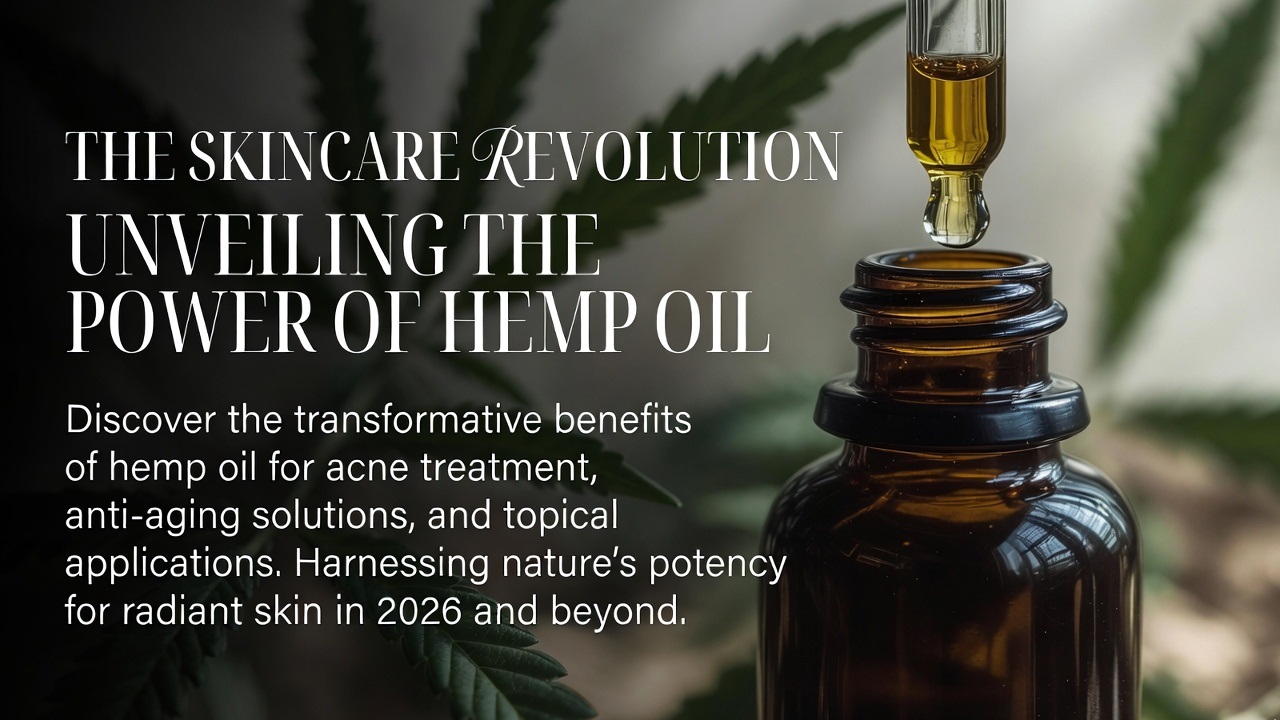

Harnessing Nature’s Potential: Hemp Oil’s Ascent in 2026 Skincare
The year 2026 marks a significant evolution in the skincare industry, with consumers increasingly seeking natural, effective, and sustainable solutions. At the forefront of this movement is hemp oil, a powerhouse ingredient derived from the seeds of the hemp plant. Unlike its counterpart, CBD (cannabidiol), which is extracted from the flowers and leaves, hemp oil is rich in essential fatty acids, vitamins, and minerals that are profoundly beneficial for skin health. This article delves into the multifaceted role of hemp oil in modern skincare, focusing on its remarkable efficacy in combating acne, its potent anti-aging properties, and its versatile application in a wide array of topical formulations. We’ll explore the scientific underpinnings of these benefits and how you can effectively integrate hemp oil into your 2026 skincare regimen for a radiant, healthy complexion.
The Endocannabinoid System: A Bridge to Healthy Skin
The human body possesses an intricate network known as the Endocannabinoid System (ECS), a complex cell-signaling system that plays a crucial role in regulating a range of physiological processes, including mood, sleep, appetite, and pain. What many don’t realize is that the ECS extends to the skin, where it helps maintain skin homeostasis—the balance necessary for optimal skin function. The skin contains cannabinoid receptors (CB1 and CB2) that interact with endocannabinoids produced by the body. When these receptors are activated, they can influence various skin functions, such as cell growth, differentiation, and immune responses. Hemp oil, rich in Phyto cannabinoids (plant-derived cannabinoids) and essential fatty acids like omega-3 and omega-6, can interact with this cutaneous ECS. This interaction helps to soothe inflammation, regulate sebum production, and support the skin’s natural barrier function, making it an invaluable ally in achieving and maintaining healthy skin.
Hemp Oil’s Powerful Impact on Acne
Acne, a pervasive condition affecting millions globally, is often exacerbated by inflammation and excess sebum production. Hemp oil emerges as a promising natural alternative for managing acne due to its inherent anti-inflammatory and sebum-regulating properties. Studies suggest that compounds within hemp oil, particularly Phyto cannabinoids like CBD (though present in lower concentrations in hemp seed oil compared to CBD oil), can help reduce inflammation associated with acne lesions, leading to less redness and swelling. Furthermore, hemp oil’s ability to balance sebum production is a key factor. Sebum is an oily substance produced by the sebaceous glands; while necessary for lubricating the skin, an overproduction can clog pores and lead to breakouts. Hemp oil’s unique fatty acid profile, closely mirroring the skin’s natural lipids, helps to normalize sebum production without stripping the skin of its essential moisture. This dual action—reducing inflammation and balancing oil—makes hemp oil a highly effective ingredient for those struggling with persistent acne.
How Hemp Oil Works Against Acne
The anti-acne mechanism of hemp oil is multifaceted. Its anti-inflammatory properties are crucial for calming the angry, red blemishes characteristic of acne. By interacting with the skin’s ECS, hemp oil can help to modulate the inflammatory cascade that contributes to acne formation. Additionally, hemp oil is non-comedogenic, meaning it is unlikely to clog pores, a common concern with many other oils used in skincare. Its lightweight texture allows it to be absorbed easily, delivering its beneficial compounds deep into the skin. The linoleic acid content in hemp oil is particularly noteworthy; a deficiency in linoleic acid has been linked to increased sebum stickiness and pore blockage. By replenishing these essential fatty acids, hemp oil helps to maintain a healthy skin barrier and prevent the buildup that leads to acne. This makes it an ideal ingredient for daily use, both as a targeted treatment and as a preventative measure against future breakouts.
Hemp Oil: A Fountain of Youth for Your Skin
As we age, our skin undergoes natural changes, including decreased collagen production, reduced elasticity, and the formation of fine lines and wrinkles. Hemp oil offers a potent, natural approach to mitigating these signs of aging. Its rich antioxidant profile is a primary contributor to its anti-aging efficacy. Antioxidants combat free radicals—unstable molecules generated by environmental stressors like UV radiation and pollution—which are a major cause of premature skin aging. By neutralizing these damaging free radicals, hemp oil helps protect the skin from oxidative stress, preserving its youthful vitality. Moreover, the essential fatty acids, particularly omega-3 and omega-6, found abundantly in hemp oil, are vital for maintaining skin’s structure and suppleness. They work to strengthen the skin’s natural barrier, which helps to retain moisture and improve elasticity, effectively plumping the skin and reducing the appearance of wrinkles and fine lines. The vitamin E content further enhances its anti-aging capabilities, promoting cell regeneration and skin repair.
Incorporating Hemp Oil into Anti-Aging Formulations
The versatility of hemp oil allows it to be seamlessly integrated into a variety of anti-aging skincare products. Serums, moisturizers, eye creams, and facial oils all benefit from the inclusion of hemp oil. In serums, it can deliver a concentrated dose of antioxidants and fatty acids for targeted treatment of fine lines and dullness. As a moisturizer, it provides essential hydration and strengthens the skin barrier, preventing moisture loss which can accentuate wrinkles. For the delicate eye area, hemp oil can help to reduce puffiness and smooth the appearance of crow’s feet. Its ability to soothe and calm the skin also makes it suitable for post-treatment care, aiding in recovery from dermatological procedures and promoting overall skin rejuvenation. As the demand for natural anti-aging solutions grows, hemp oil is poised to become a staple ingredient in high-performance, clean beauty products by 2026.
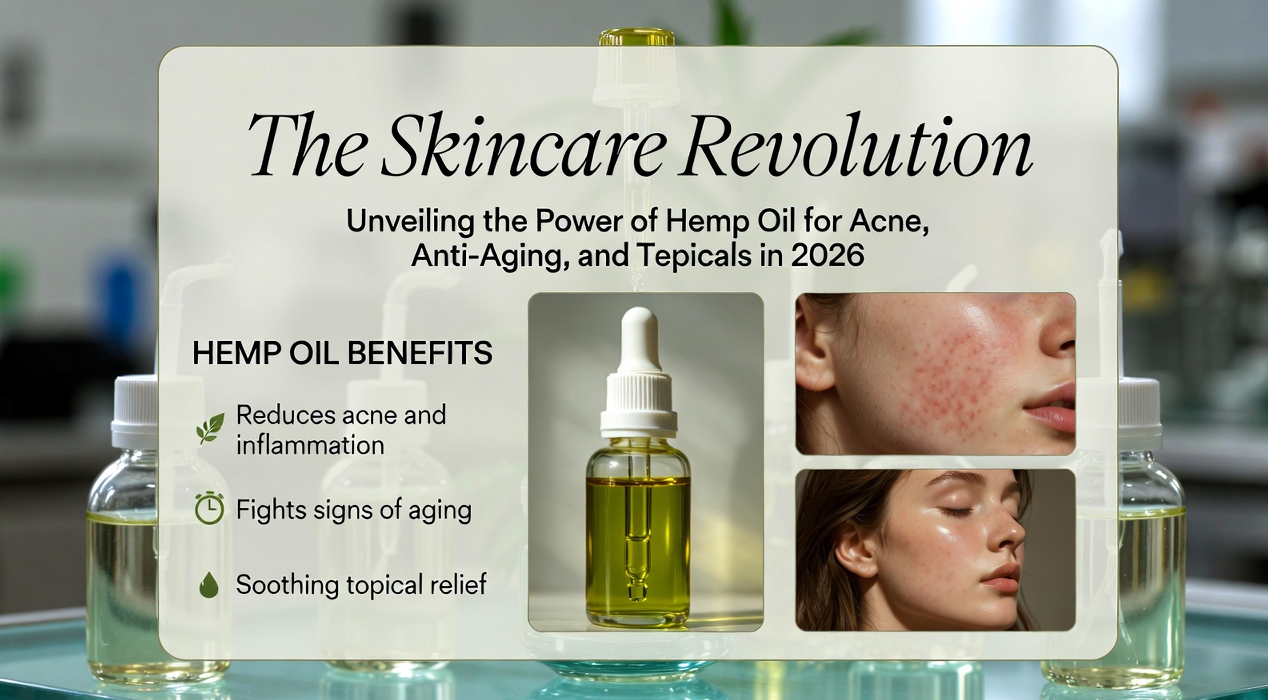
Product Transparency: Full-Spectrum, Broad-Spectrum, and Isolate in Skincare
When exploring hemp-derived skincare, understanding the different types of hemp extracts is crucial for making informed choices. These distinctions relate to the cannabinoid profile present in the oil:
- Full-Spectrum Hemp Extract: Contains a wide range of cannabinoids, including CBD, THC (in legally compliant amounts, typically less than 0.3%), terpenes, flavonoids, and other beneficial compounds found in the hemp plant. This profile is believed to offer the “entourage effect,” where all components work synergistically to enhance therapeutic benefits. In skincare, this can translate to more comprehensive skin support.
- Broad-Spectrum Hemp Extract: Similar to full-spectrum, but with the THC removed. It still contains CBD and other cannabinoids, terpenes, and flavonoids, offering a significant portion of the entourage effect without any THC. This is often a preferred choice for those who wish to avoid THC entirely for personal or professional reasons.
- Hemp Extract Isolate: This is the purest form of CBD, with virtually all other cannabinoids, terpenes, and plant compounds removed. While it offers a high concentration of CBD, it lacks the potential synergistic benefits of the entourage effect. In skincare, isolate can be effective for targeted CBD benefits but might not offer the broader skin-nourishing properties of full or broad-spectrum extracts.
For hemp oil specifically, which is primarily derived from hemp seeds, the focus is on its rich fatty acid and vitamin content. While some hemp seed oils may contain trace amounts of CBD, they are not typically categorized as CBD oils. The transparency of a product is often best assessed through its third-party lab reports, known as Certificates of Analysis (COAs).
Decoding the Certificate of Analysis (COA)
A COA is a vital document provided by an independent laboratory that verifies the potency and purity of a hemp-derived product. When choosing hemp oil or CBD topicals, always look for products that provide a COA. Here’s what to pay attention to:
- Cannabinoid Profile: This section details the exact amounts of CBD, THC, and other cannabinoids present in the product. Ensure the THC level is below 0.3% for compliance. For hemp oil, you might see fewer cannabinoids listed, with a focus on fatty acid content and absence of contaminants.
- Potency: Verifies the concentration of the key cannabinoid (usually CBD) per serving or per volume.
- Purity Testing: This is critical. The COA should confirm the absence of harmful contaminants such as pesticides, heavy metals (lead, arsenic, mercury), residual solvents, and microbial contaminants (mold, bacteria). A reputable brand will have readily accessible COAs for their products, often linked directly on their website or available upon request. This ensures you are applying safe and effective ingredients to your skin.
Hypothetical 2026 Market Trend: “Bio-Adaptive” Hemp Skincare
Imagine in 2026, the skincare market is dominated by what we’ll call “Bio-Adaptive” formulations. These advanced products leverage the intelligent properties of hemp oil to dynamically respond to the skin’s individual needs throughout the day and in varying environmental conditions. Instead of a one-size-fits-all approach, Bio-Adaptive hemp skincare utilizes precisely balanced hemp oil, rich in omega fatty acids and phytosterols, to fortify the skin’s natural barrier function. When the skin is exposed to environmental stressors like pollution or UV radiation, the hemp oil component helps to temper inflammation and support the skin’s repair mechanisms. If the skin becomes dry due to weather changes, the linoleic and oleic acids in the hemp oil work to restore moisture balance. For acne-prone skin, the oil’s ability to regulate sebum production becomes paramount, preventing over-activity. These formulations might also incorporate adaptogenic herbs alongside hemp oil, creating a synergy that enhances the skin’s resilience and promotes a state of equilibrium. Consumers in 2026 are seeking not just products that treat symptoms, but intelligent solutions that empower their skin to adapt and thrive, making hemp oil a cornerstone ingredient in this personalized, responsive skincare revolution. This trend emphasizes preventative care and long-term skin health, moving beyond superficial fixes to address the root causes of skin concerns with nature’s most sophisticated compounds.
Hemp Oil vs. CBD Oil for Skin: A Comparative Overview
While both hemp oil and CBD oil originate from the hemp plant and offer significant dermatological benefits, their primary compositions and applications differ. Understanding these differences is key to selecting the right product for your specific skincare goals.
| Feature | Hemp Oil (Seed Oil) | CBD Oil (Full/Broad Spectrum) |
|---|---|---|
| Source Plant Part | Seeds | Flowers, Leaves, Stems |
| Primary Beneficial Compounds | Essential Fatty Acids (Omega-3, Omega-6, Omega-9), Vitamins A, D, E, minerals | Cannabidiol (CBD), other cannabinoids (CBG, CBN, trace THC), terpenes, flavonoids |
| Key Skin Benefits | Moisturizing, balancing sebum production, anti-inflammatory, antioxidant, barrier support, non-comedogenic | Anti-inflammatory, antioxidant, soothing, calming, potential acne reduction, pain relief (topical) |
| Sebum Regulation | Strongly supports regulation due to fatty acid profile | Supports regulation, can be beneficial for acne |
| Anti-Aging Properties | Excellent due to fatty acids, vitamins, and antioxidants | Good due to antioxidant and anti-inflammatory effects |
| Concentration of CBD | Very low to none | High (concentrations vary widely) |
| Typical Usage | Moisturizers, facial oils, serums, cleansers, generally for hydration and barrier health | Targeted treatments, serums, balms, creams for inflammation, pain, and specific skin concerns |
| Entourage Effect Potential | Limited in terms of cannabinoids, but synergistic effects from fatty acids and vitamins | High (especially full-spectrum) |
Frequently Asked Questions
1. Can hemp oil clog my pores if I have oily or acne-prone skin?
No, hemp oil is renowned for being non-comedogenic, meaning it is unlikely to clog pores. Its fatty acid profile is very similar to the skin’s natural sebum, helping to balance oil production rather than exacerbate it. This makes it an excellent choice for oily and acne-prone skin types.
2. How quickly can I expect to see results from using hemp oil for skincare?
Results can vary depending on the individual and the specific product used. Many users report feeling improved hydration and a calmer complexion within a few days to a week of consistent use. More significant improvements, such as reduction in acne or fine lines, may take several weeks of regular application.
3. Is hemp oil the same as CBD oil?
No, they are distinct. Hemp oil is typically extracted from the seeds of the hemp plant and is rich in fatty acids, vitamins, and minerals. CBD oil is extracted from the flowers and leaves and contains high concentrations of CBD. While some hemp seed oils may have trace amounts of CBD, they are not the primary source.
4. Are there any side effects of using hemp oil on my skin?
Hemp oil is generally well-tolerated by most skin types. Allergic reactions are rare but possible, as with any natural ingredient. It’s always recommended to perform a patch test on a small area of skin before applying it to your entire face, especially if you have sensitive skin or known allergies.
5. Where can I find high-quality hemp oil for my skincare routine in 2026?
Look for reputable brands that provide third-party lab testing (COAs) to verify the purity and potency of their hemp oil. Check for certifications and read customer reviews. You can often find these products online or at specialized wellness and beauty retailers. For a wide range of related products, exploring trusted sources like Main Smoke KC can be beneficial, though always ensure the specific product is formulated for skincare.